Start with the problem, not the product
Most people shop for a generator by brand or price. Better to start with three questions: what must stay on, for how long, and how much hassle will you tolerate? A household that mainly wants to save the refrigerator for a day has a very different answer from one that wants full comfort for a week in an ice storm.
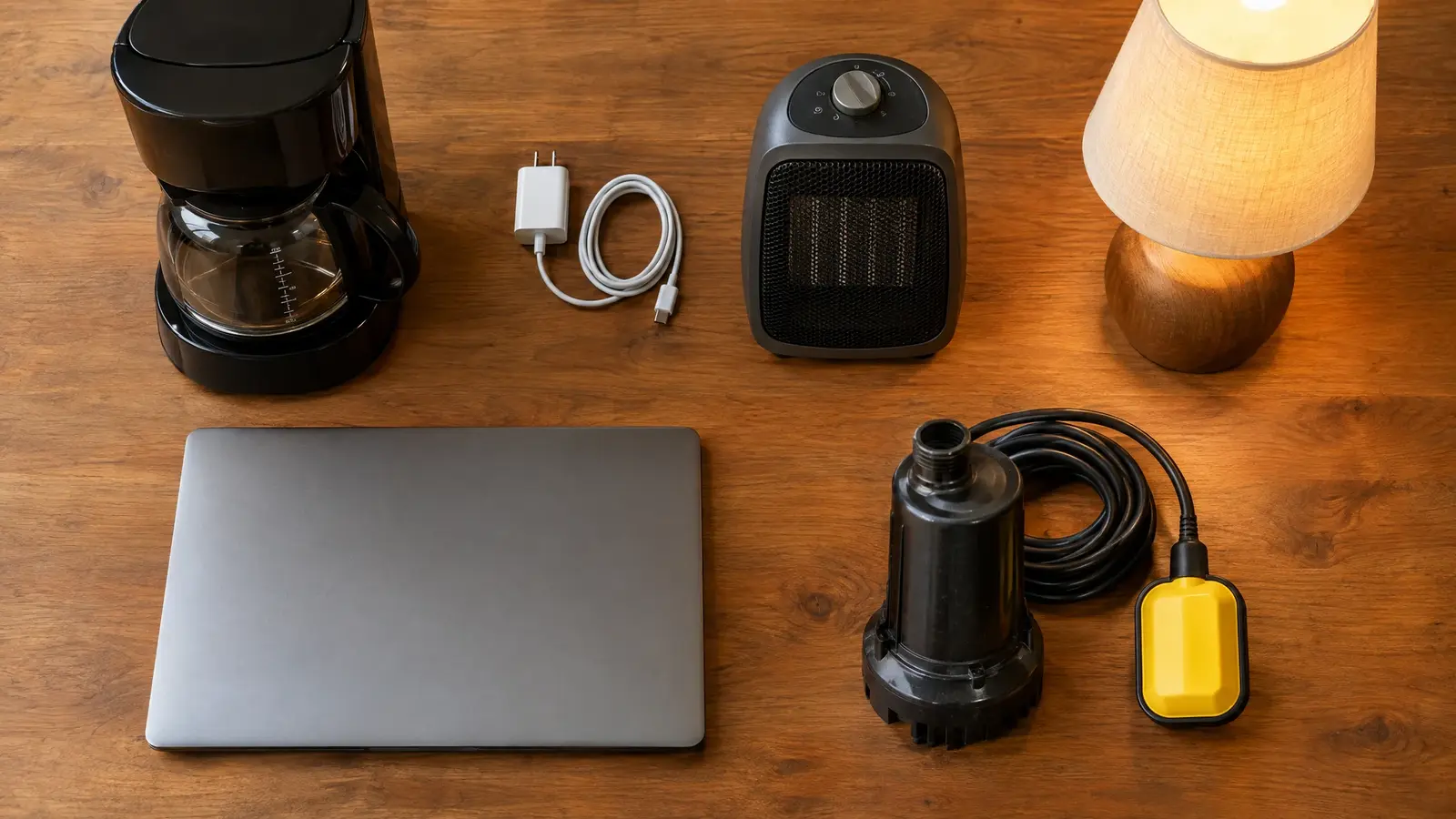
Write down your must-have circuits: refrigerator and freezer, heat or air conditioning, sump pump, well pump, internet, medical equipment and a few lights. That list drives the size, and the size drives almost everything else.
Standby, portable or battery?
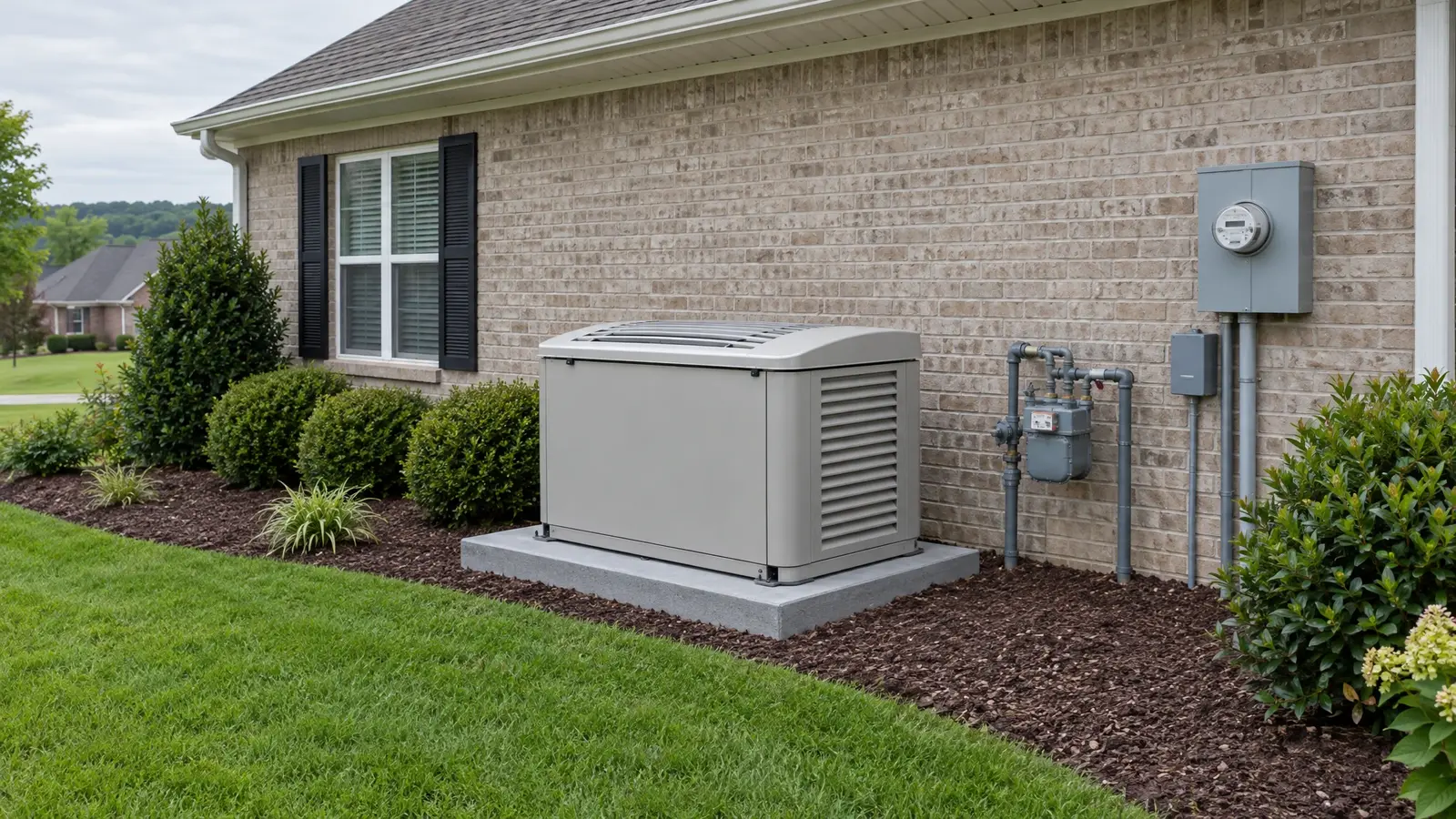
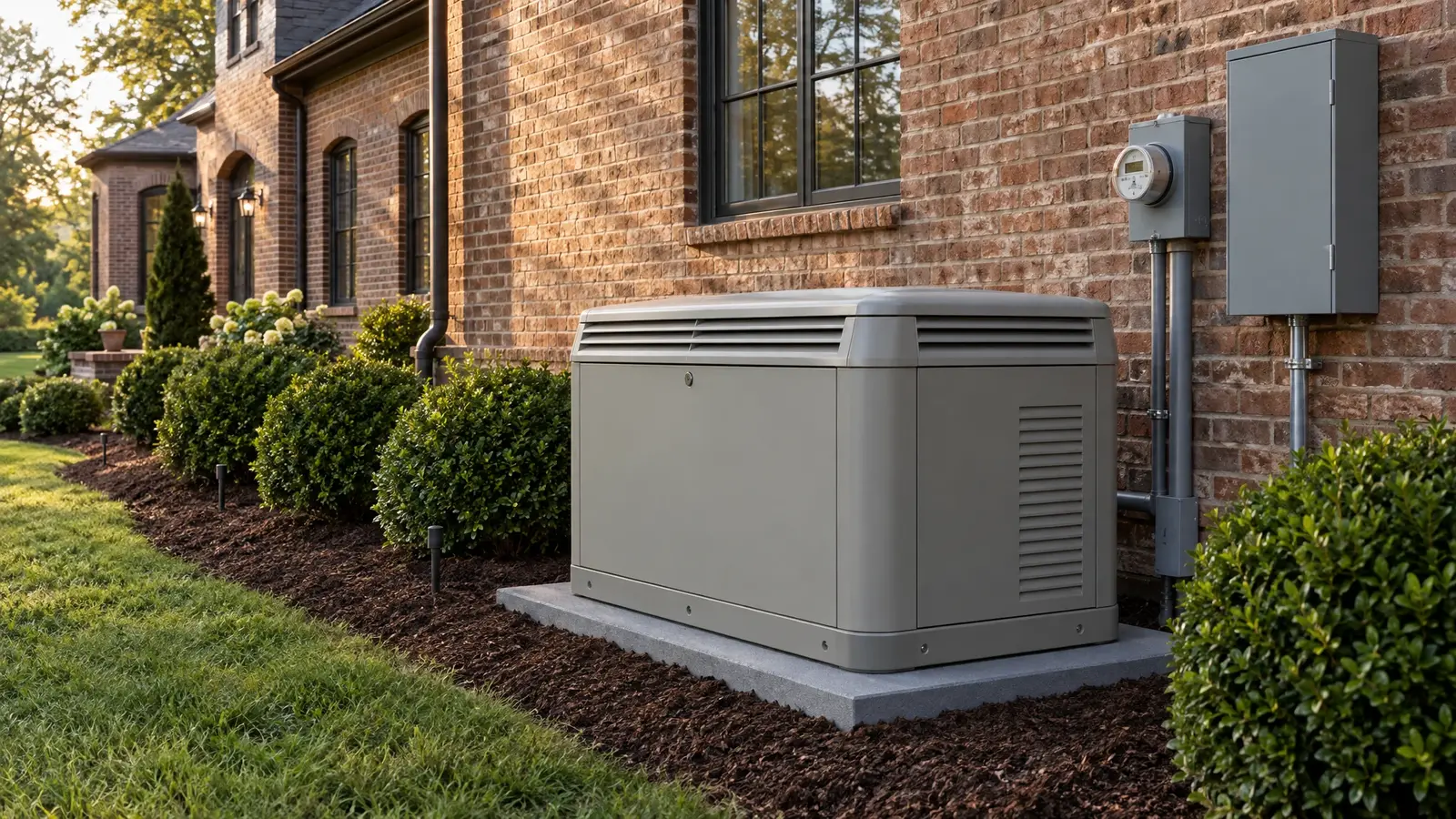
A standby generator is permanently installed, connects to natural gas or propane and starts automatically. It is the convenient, whole-house answer. A portable generator is cheaper, but you must fuel it, start it, run it outdoors and connect it safely. A battery system is silent and instant but limited by capacity.
Many Middle Tennessee homeowners choose a standby generator as the backbone, and add a battery if they also have solar. If budget is tight, a portable generator with a proper inlet and transfer switch is a safe stepping stone.
Pick the fuel your property can support
Natural gas is convenient when you have a line with enough capacity. Propane works anywhere you can place a tank. Diesel is common for large commercial units. The fuel decision can change the install cost more than the generator itself, so we check supply early.
Size it with real numbers
The most important step is a load calculation that includes the starting surge of motors. Try our Generator Size Calculator, then have a pro confirm on site. Buying a size too small leads to overloads; too large wastes money.
Compare brands honestly
Generac, KOHLER, Cummins, Briggs & Stratton and Champion all make capable home standby units, and Cat leads in large commercial power. Look at size range, service network near you, warranty, monitoring features and noise. Our brand matcher helps you narrow the list.
Choose the installer as carefully as the generator
A great generator installed badly is a poor generator. Ask who pulls permits, who handles the gas and electrical work, whether the crew is licensed for the work in your jurisdiction, what the warranty on labor is and who will service it later. Get everything in writing.
Size it from your real loads, choose a fuel your property supports, and hire an installer who will still be here to service it in five years.