Running watts vs starting watts
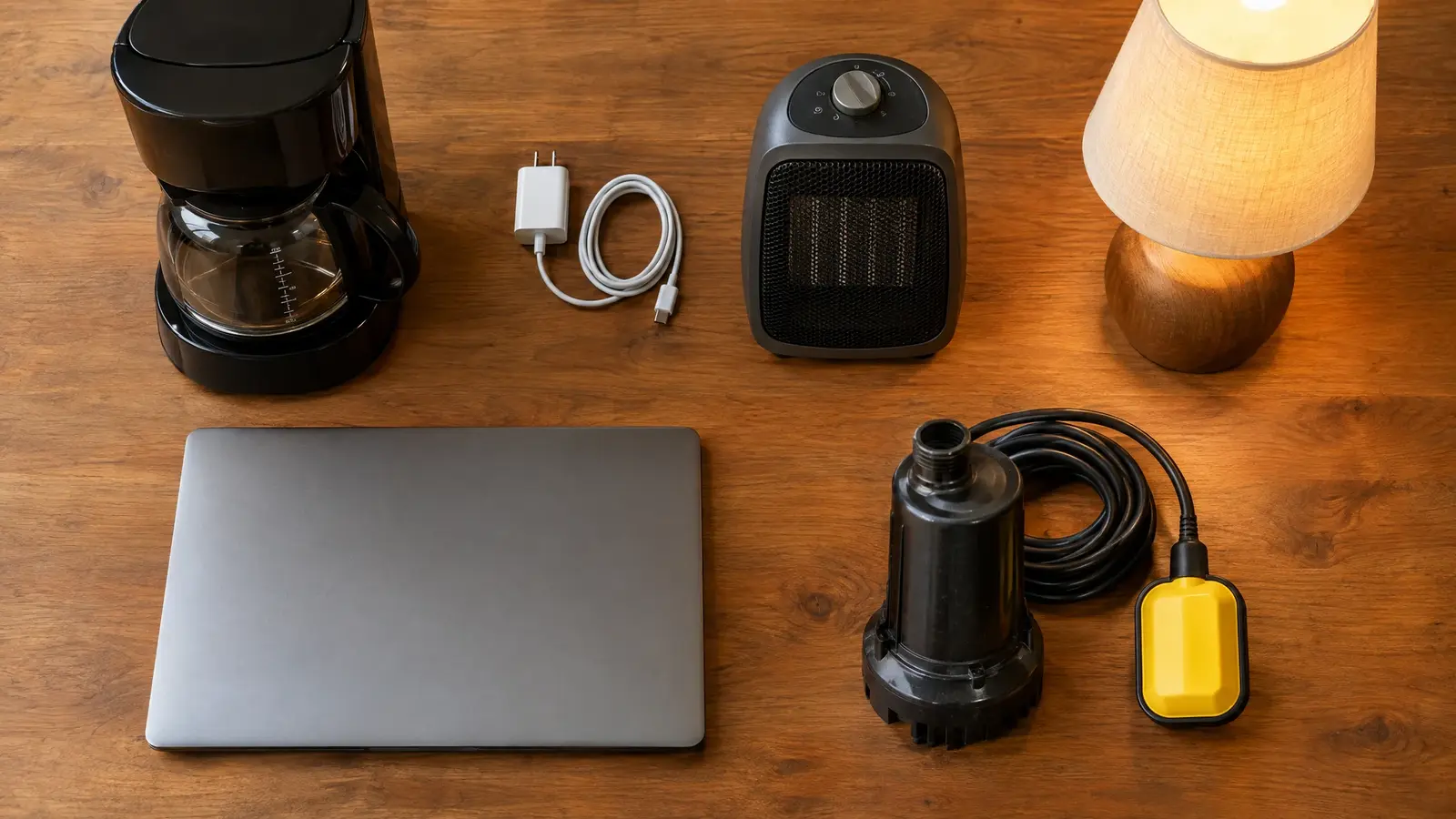
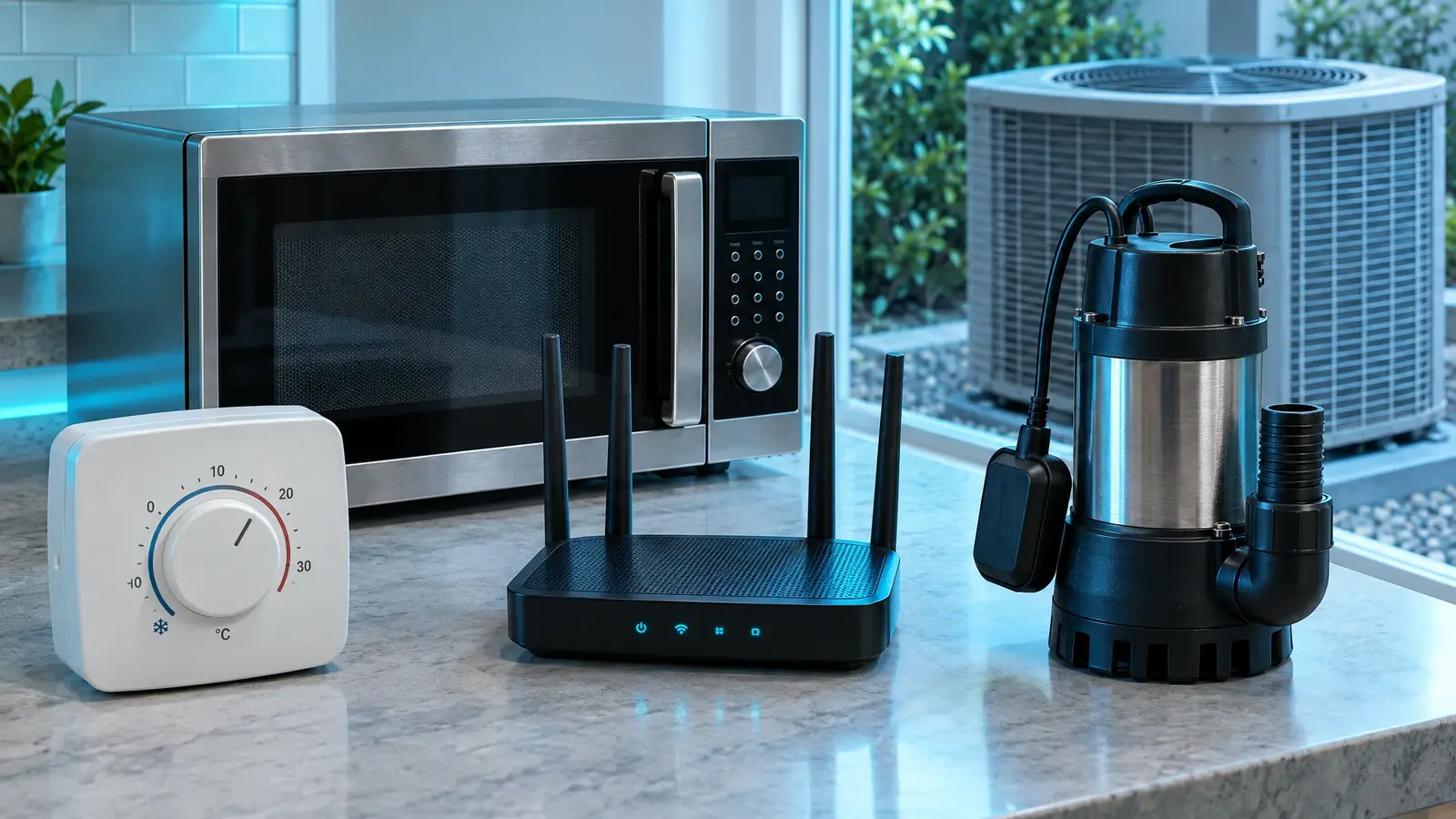
Every appliance has a running wattage, which is what it uses continuously, and many motor-driven appliances have a much higher starting wattage for a split second. Air conditioners, well pumps and refrigerators are the usual culprits. A generator must handle the biggest starting surge on top of everything already running.
The loads that drive the answer
Central air conditioning is usually the largest. After that come the electric range, electric water heater, dryer, well pump, EV charger and pool pumps. Lights, TVs, internet and refrigerators barely move the number.
Whole house, partial house or essentials
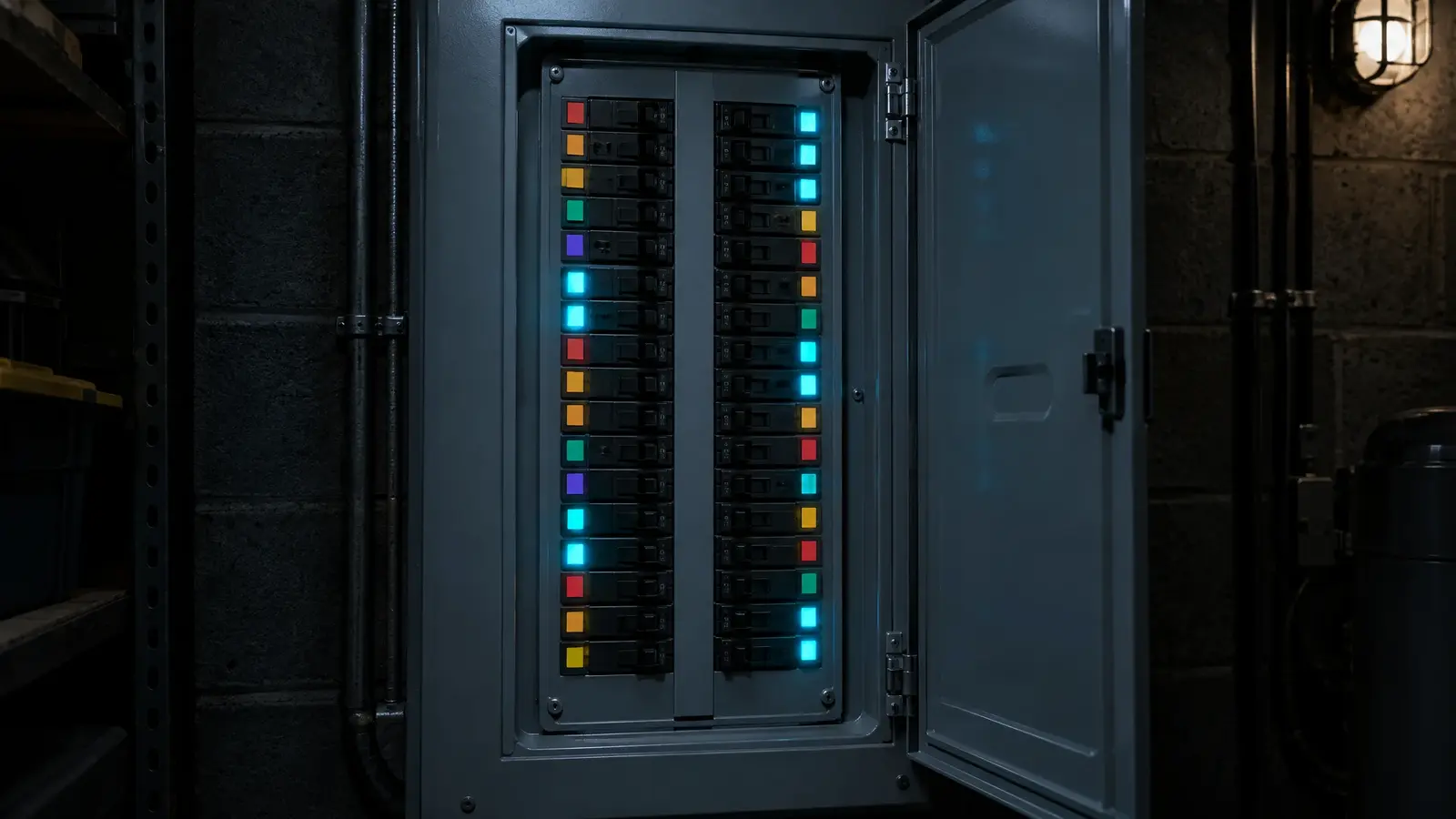
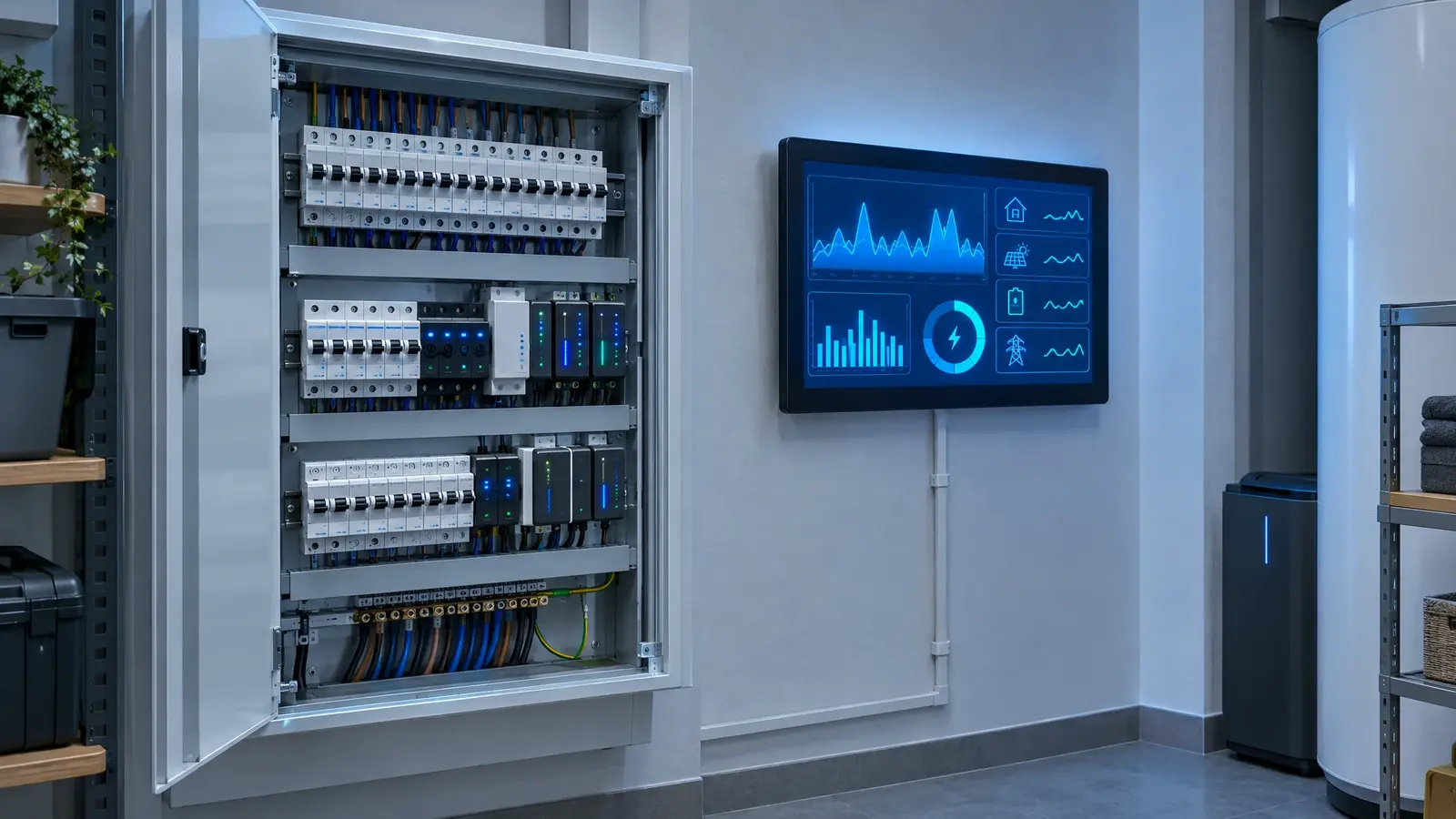
Whole house means every circuit. Partial house means the important ones. Essentials means a short list. Smart load management lets a smaller generator behave like a bigger one by delaying big loads until others cycle off.
Why square footage fails
Two 3,000-square-foot homes can need very different generators. One has gas heat and a single AC; the other has electric heat, two ACs, a well and a pool. Always size by loads.
Typical size classes
Residential air-cooled standby units commonly range from about 10 kW to 26 kW, and larger liquid-cooled units run from roughly 32 kW upward. For example, Generac lists Guardian Series sizes of 10, 14, 18, 22 and 26 kW and XG Series sizes of 32, 40 and 48 kW. Your calculated load decides where you land.
Add margin, not waste
Plan for the loads you have now and the ones you are likely to add, such as an EV charger or a finished basement. A small margin is smart; doubling the size is expensive.
Our Generator Size Calculator lets you pick your appliances and see a planning range in under two minutes.