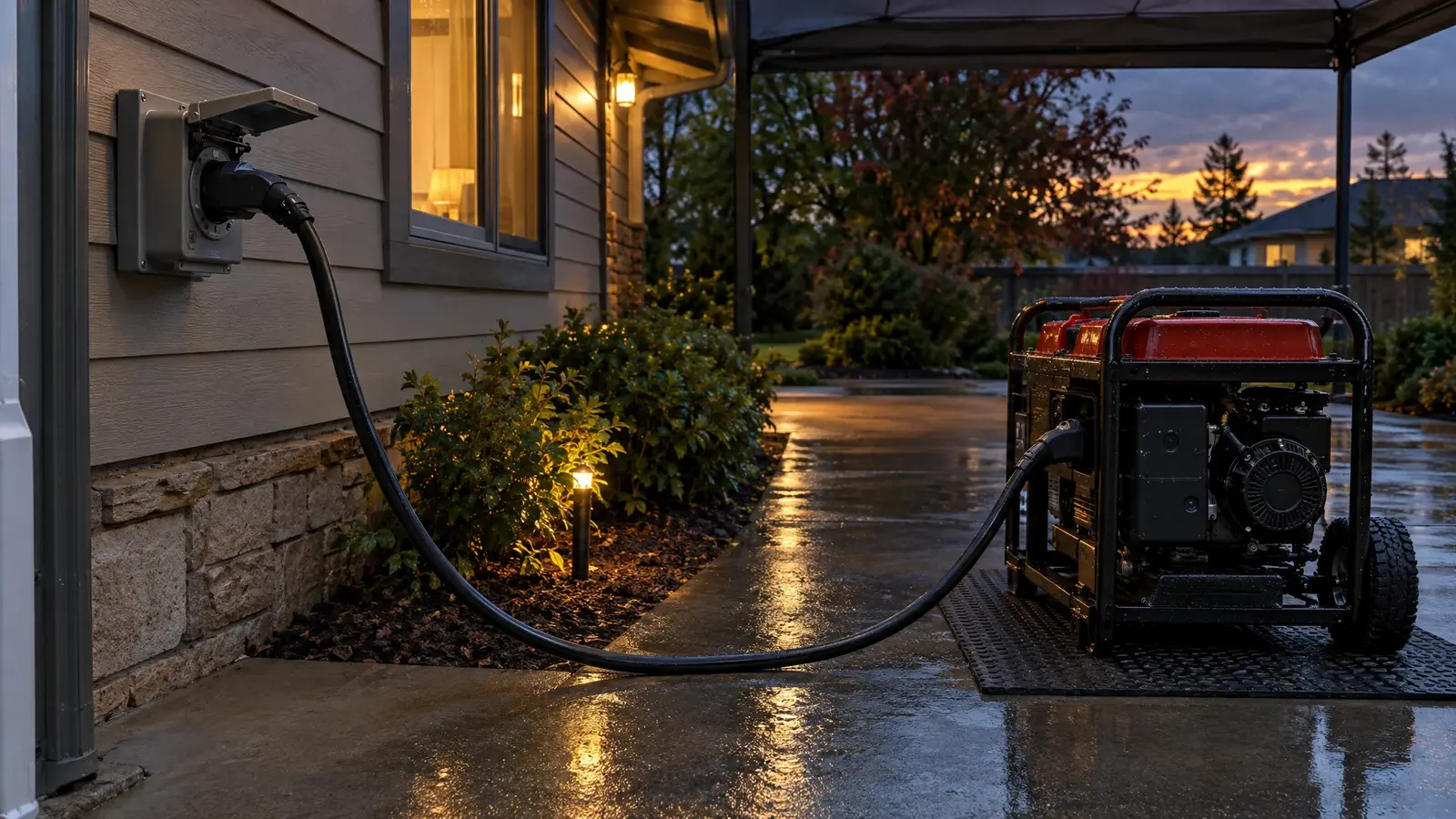
Use the portable generator you already own the safe way: a weatherproof inlet and a transfer switch instead of extension cords through a window.
A portable generator is the most affordable way to have some power in an outage, but only if it is connected safely. Running cords through doors and windows is clumsy, and plugging a generator into a wall outlet can send electricity back onto the utility lines, which is dangerous to line crews and to you.
We install a weatherproof power inlet on the outside of your home and a transfer switch or code-compliant interlock at your panel. You plug in, start the generator outdoors, and power the circuits you chose, safely, in minutes.
No cords through windows, no tripping hazards, no open doors letting weather in.
A transfer switch or interlock isolates your home from the utility so power can never flow backward.
Power the fridge, furnace blower, lights, sump pump and internet, not everything at once.
A great step up from loose cords if a standby generator is not in the plan yet.
The same transfer equipment can often be reused if you move to a standby unit later.
We pull permits so your system is legal, insured and safe.
Flip breakers on a virtual panel and watch your generator or battery load rise, with a warning when you go over.
We compare the manufacturers below for your site. Every brand links to its official website.
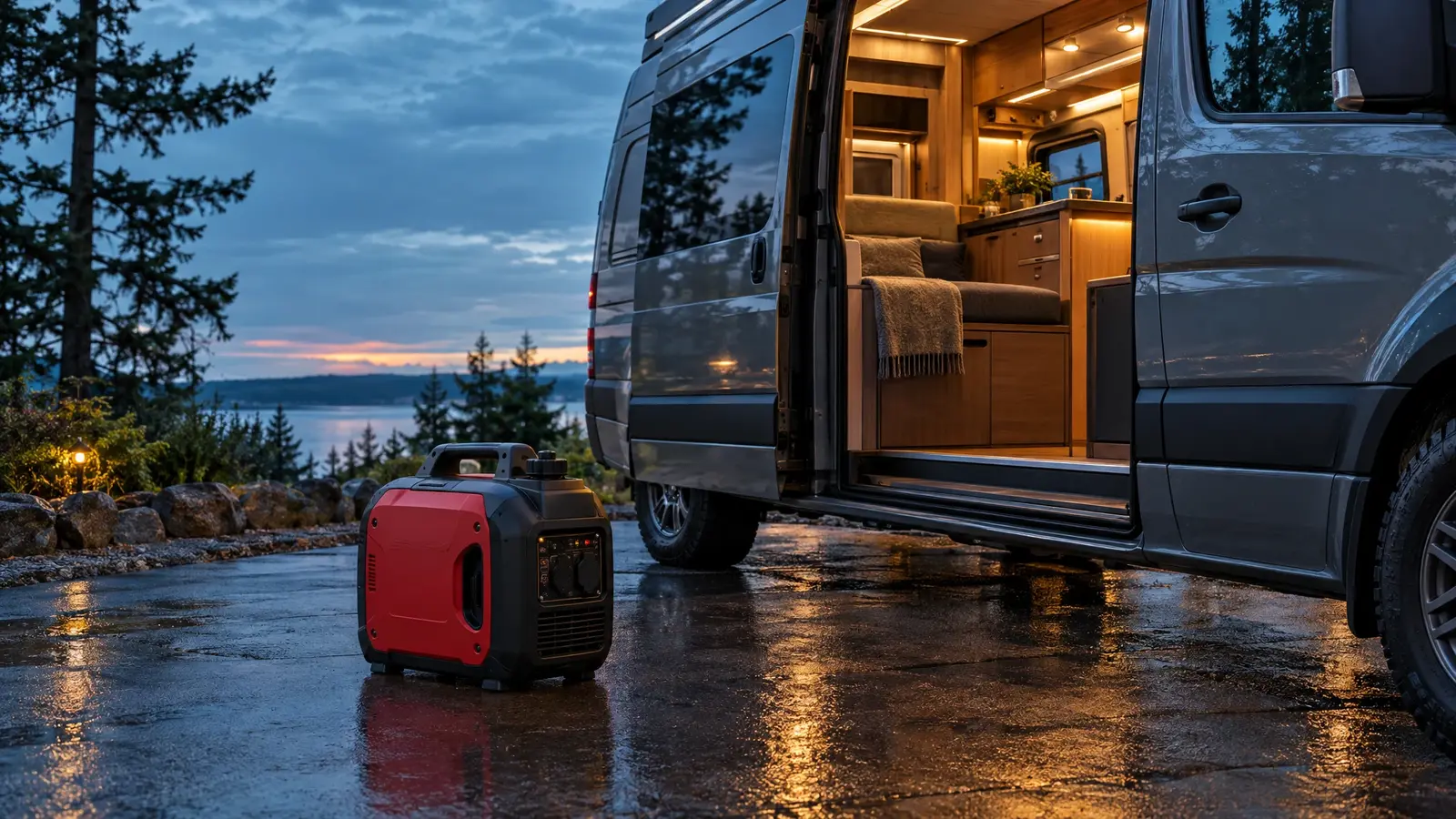 Clean, quiet inverter powerHondaWidely considered the top choice for portable, clean-power inverter generators.See the brand
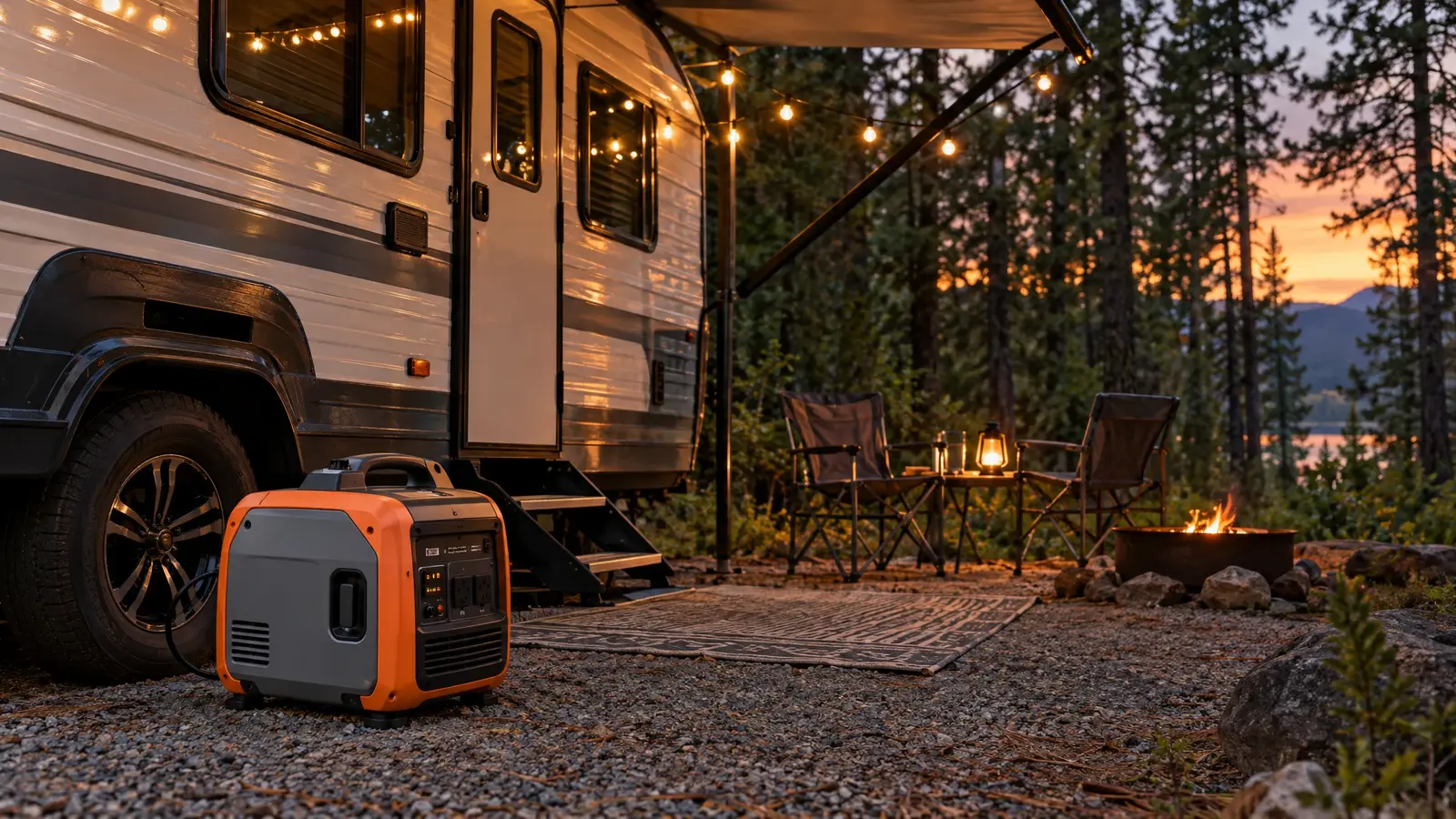 Efficient portable and inverter powerWestinghouseWell regarded for fuel efficiency, quiet operation and capable portable and inverter generators.See the brand
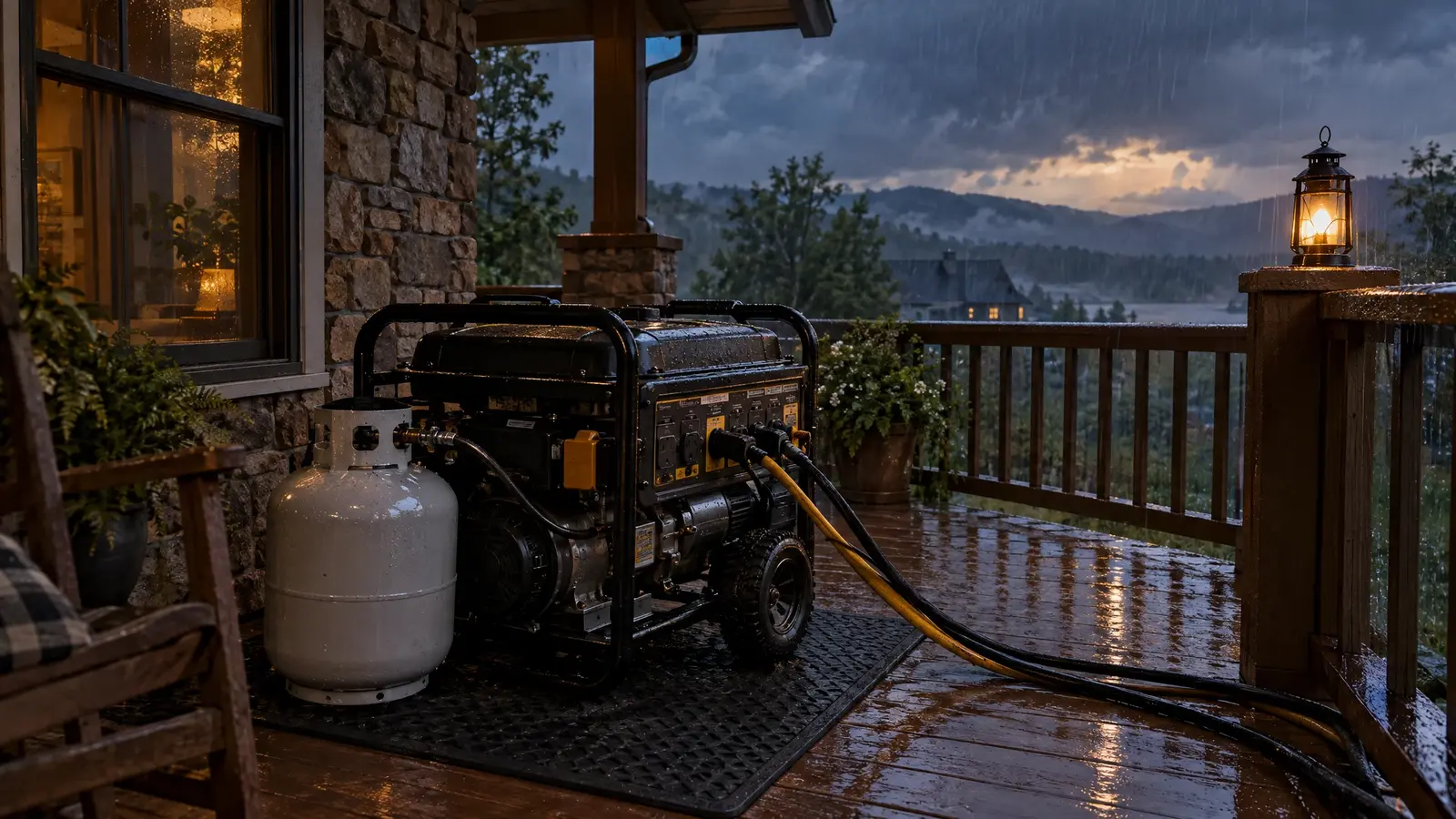 Flexible dual-fuel and standbyChampion Power EquipmentPopular for flexible dual-fuel and tri-fuel portable generators and straightforward standby options.See the brand
We visit, review your panel, meters, yard and goals, and talk through how you use power.
We calculate your real loads and present options for size, brand, fuel and switch with transparent pricing.
We pull permits and coordinate HOA, utility and inspection steps.
We prepare the site, set the pad and run gas or propane and conduit.
The generator is set and anchored, and the transfer switch and electrical are tied in.
We pass inspection, test under load, walk you through it and stay available for service.
That practice can energize utility lines and can start fires. Only a transfer switch or approved interlock should connect a generator to home wiring.
Outdoors only, well away from doors, windows and vents. Never in a garage or indoors, even with the door open.
It depends on your generator output. Common inlets support 30 or 50 amps. We match it to your generator and the circuits you want.
In many cases yes. We design it so the work is not wasted if you upgrade.
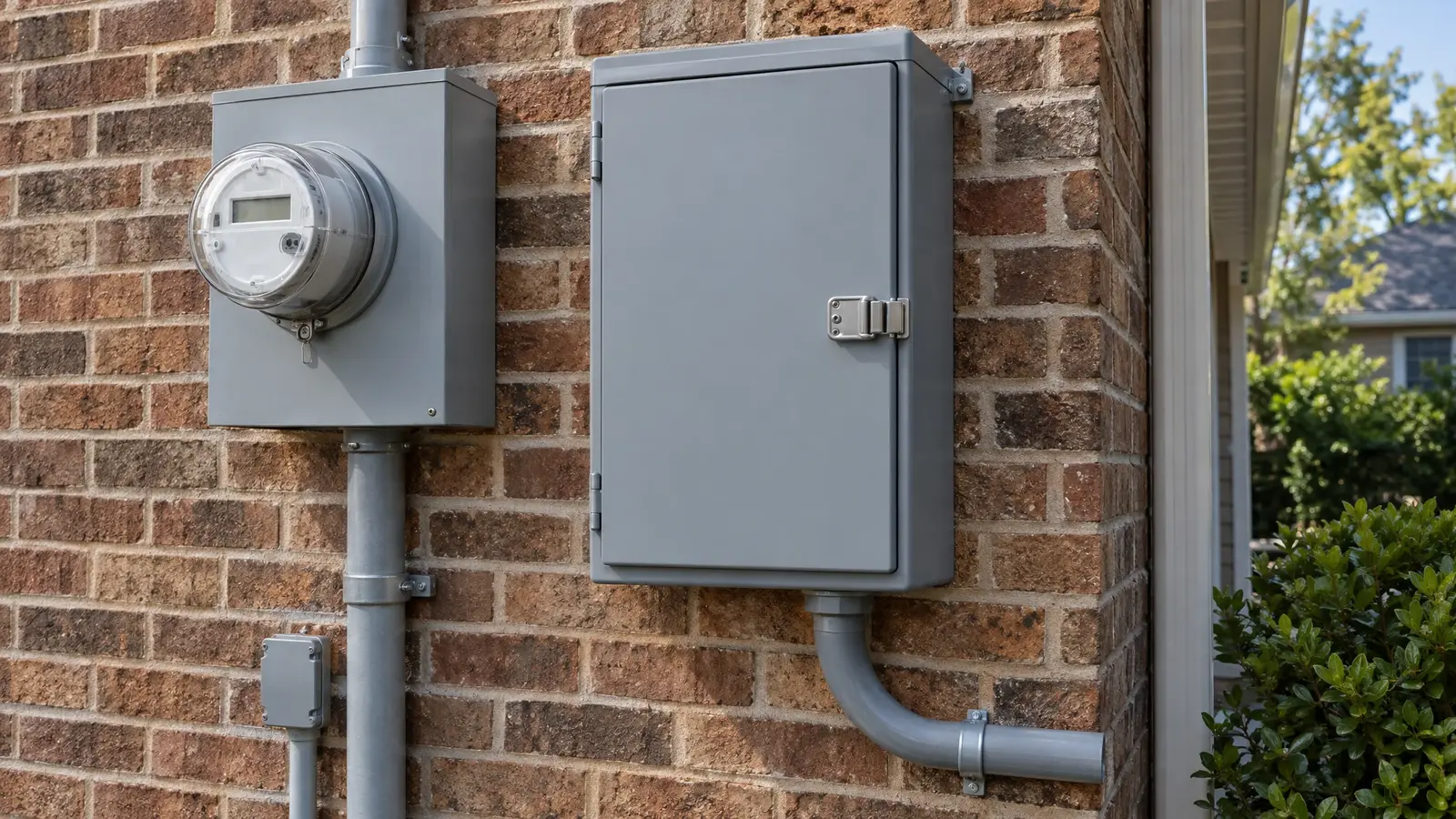 Transfer Switches (ATS)The unseen hero of every standby system: the switch that moves your home from the grid to the…Explore
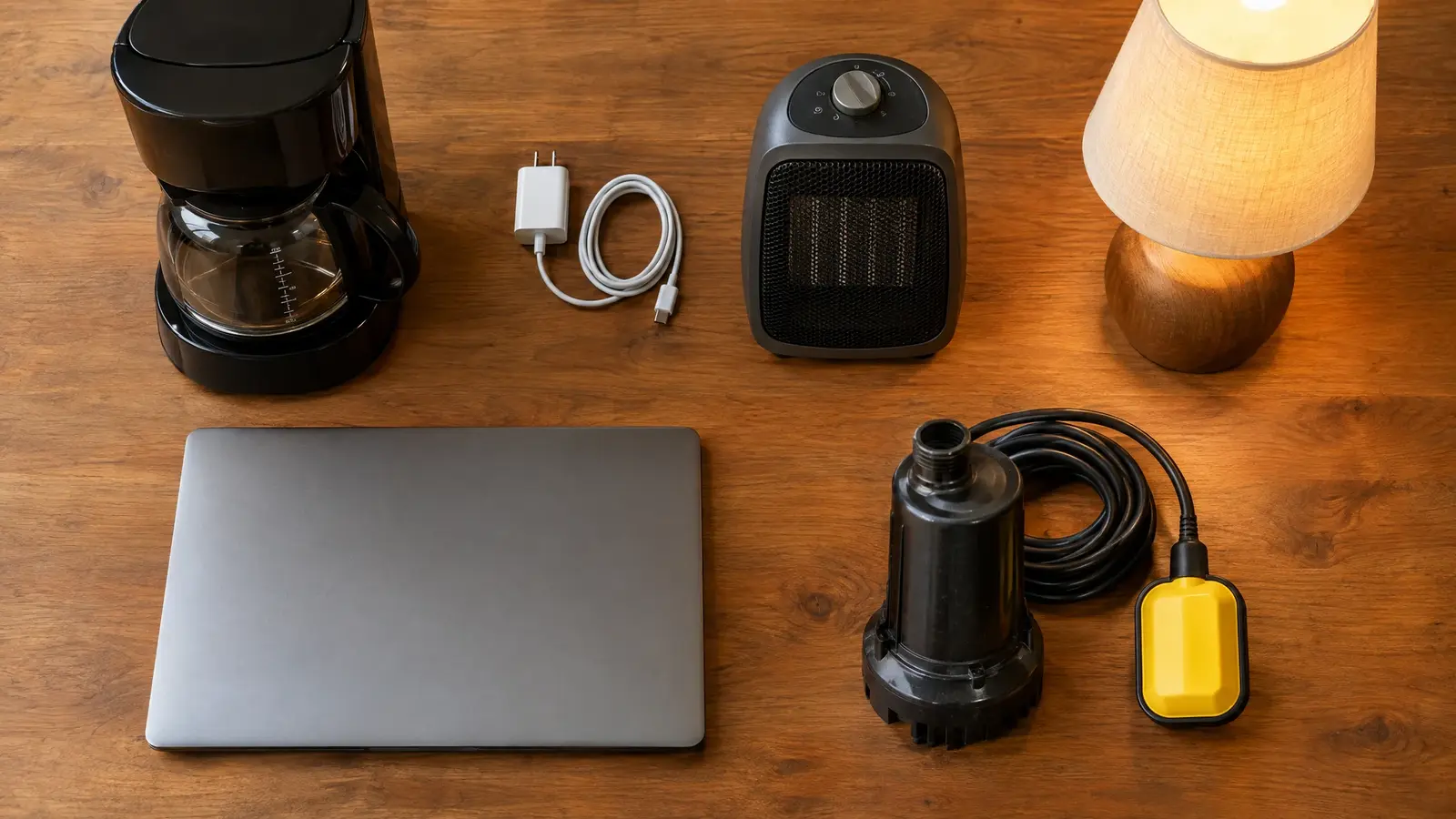 Sizing & Load CalculationThe most important step in any generator project, done properly: what you want to run, how much it…Explore
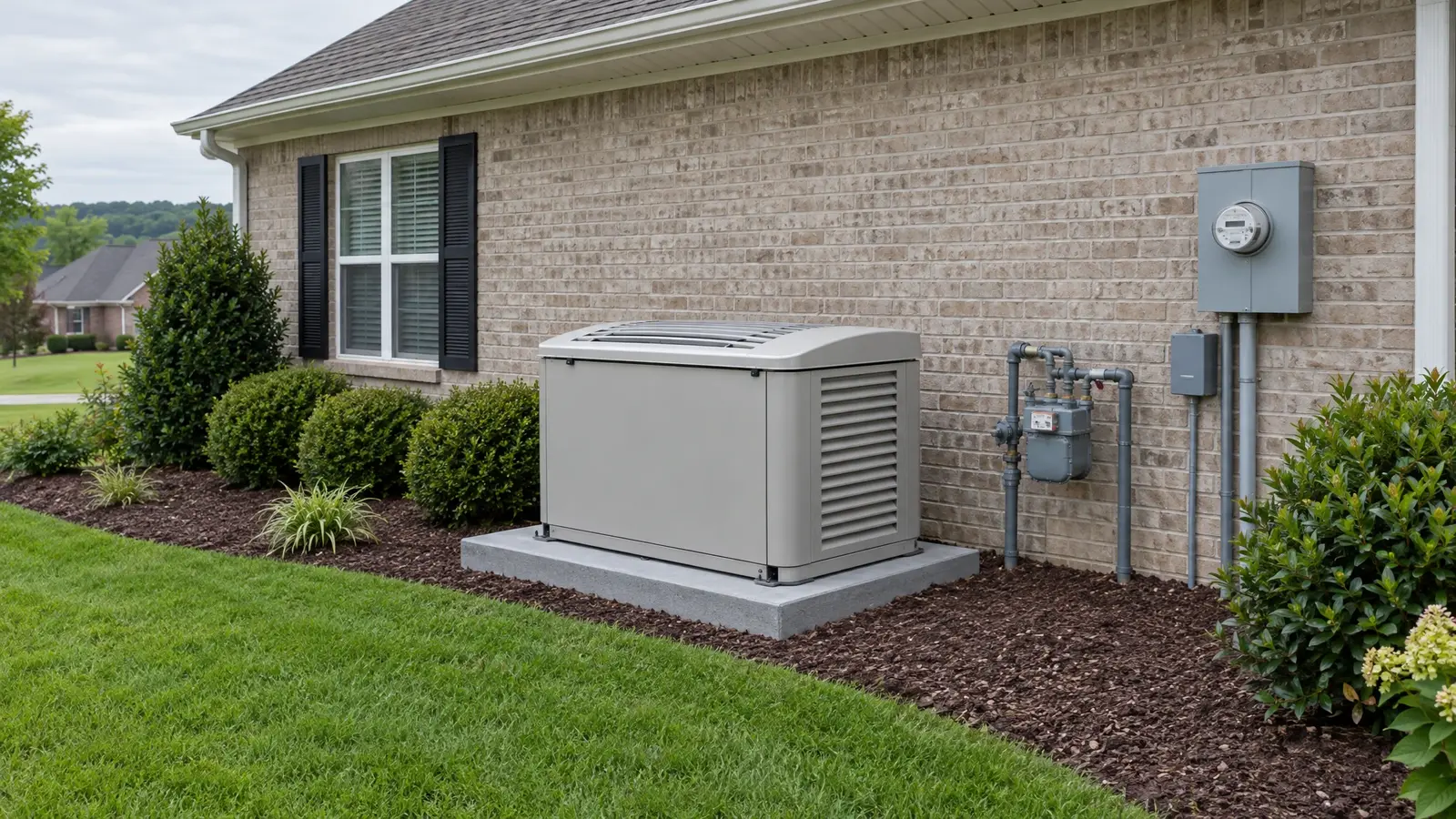 Residential Standby GeneratorsAn automatic generator that starts itself in seconds, so a storm never becomes a house full of spoiled…Explore
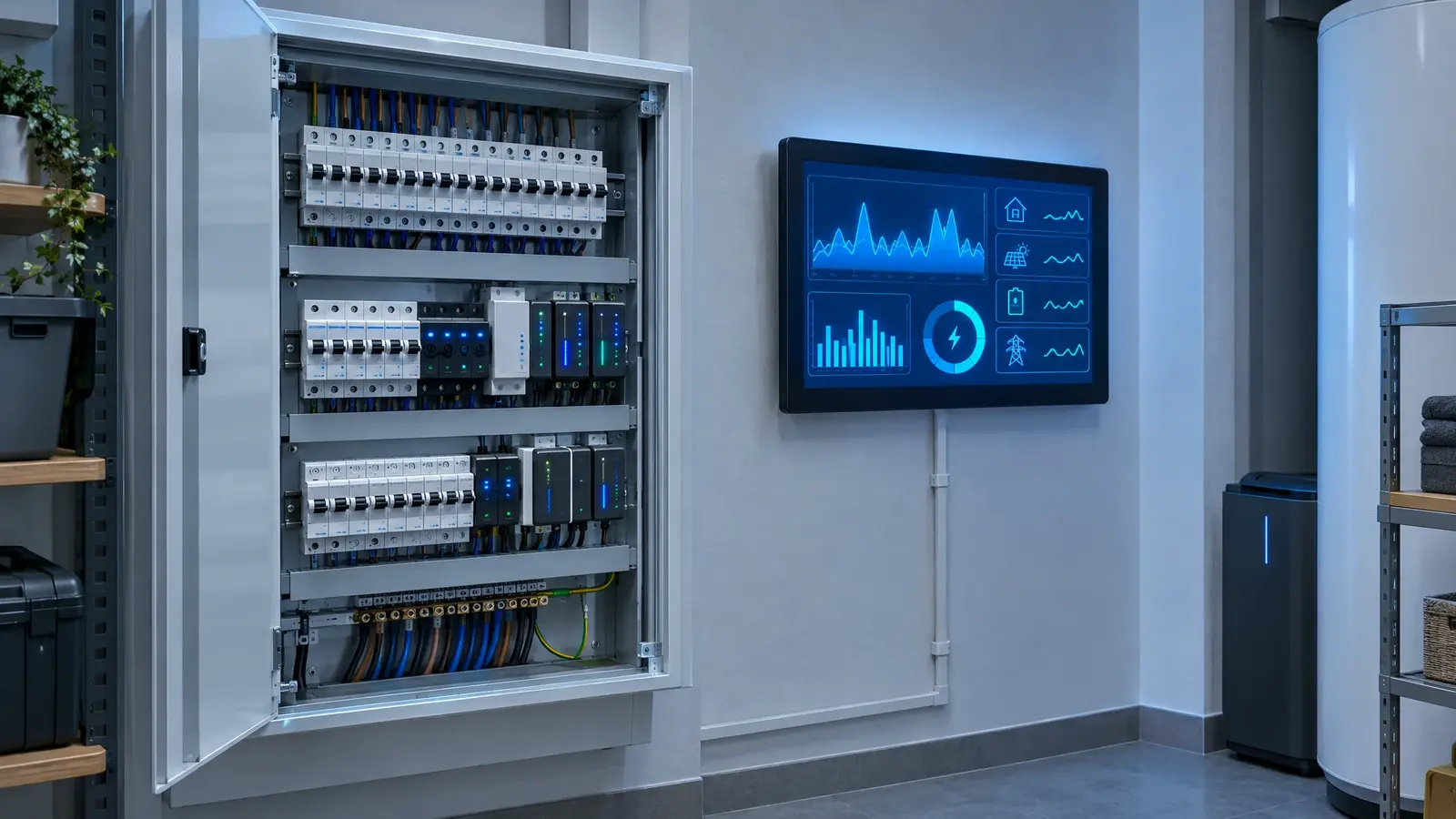 Load Management & MonitoringGet more from the power you have: smart panels and load managers that decide which big appliances run…Explore
Tell us a little about your property and we will be in touch quickly.
Or call (615) 357-7797 to talk now.