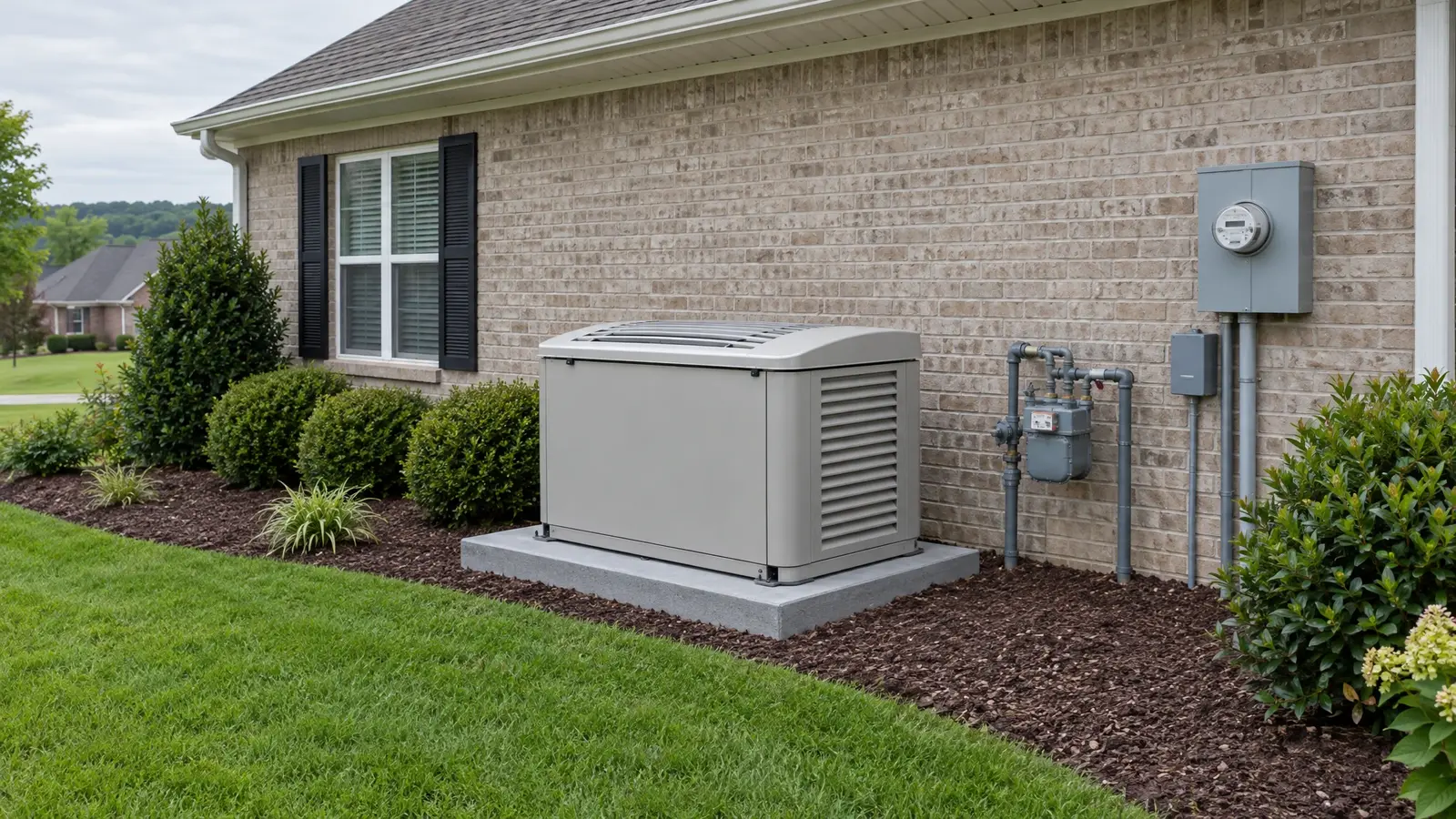
An automatic generator that starts itself in seconds, so a storm never becomes a house full of spoiled food and dark rooms.
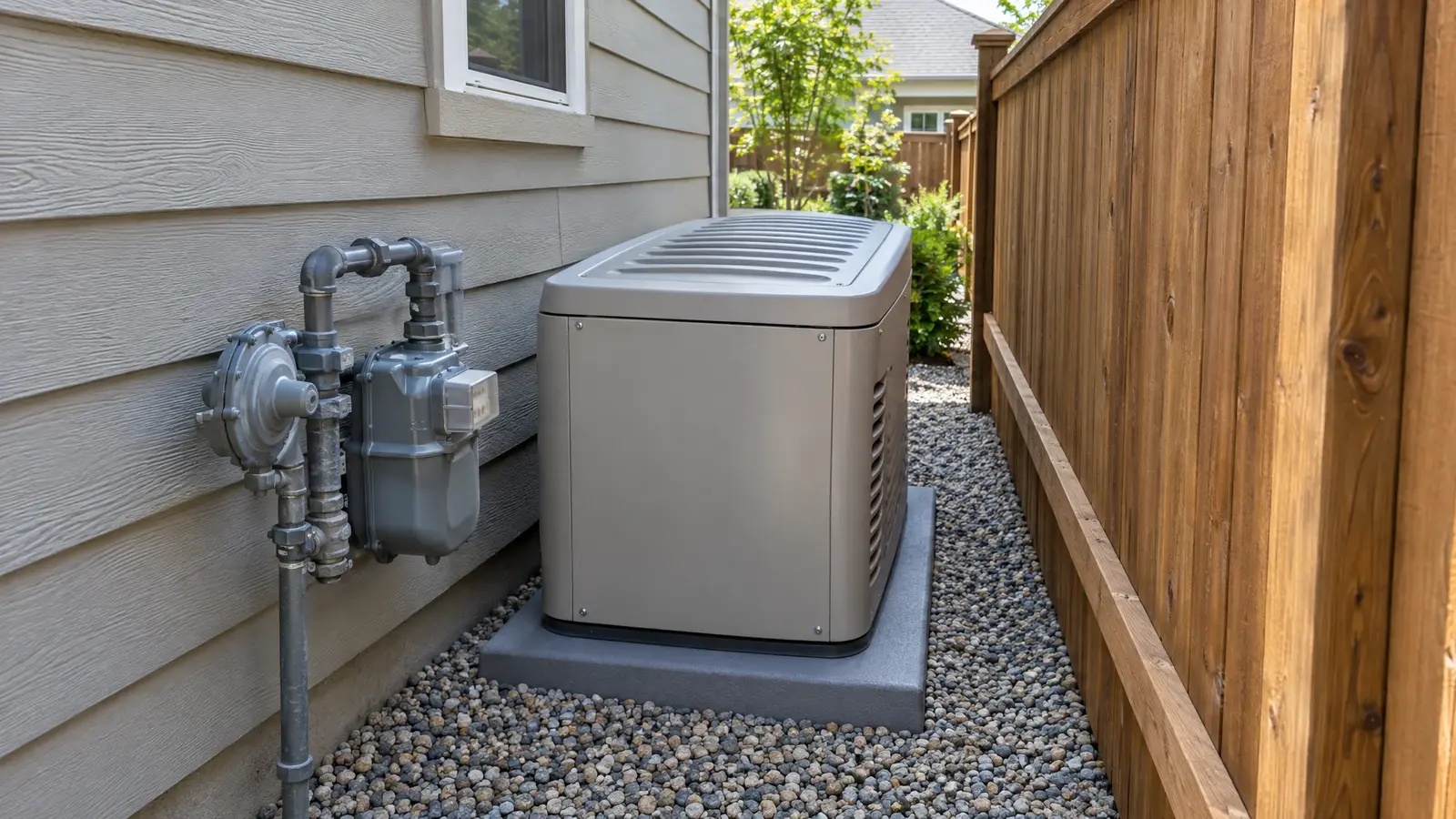
A standby generator sits outside your home, connects to your natural gas line or propane tank, and starts on its own when the power goes out. Within seconds, an automatic transfer switch reconnects your home to generator power, and when the utility returns it switches back and the generator shuts itself down. No cords, no refueling, no waking up at 2 a.m. to pull a starter rope.
Our job is to make that simple experience real: choosing the right size and brand for your loads, setting the unit where it is safe and quiet, handling permits, gas, concrete or composite pad and wiring, and then showing you exactly how it works before we leave.
It detects the outage and takes over without you lifting a finger, even if you are away from home.
Natural gas or propane means no gasoline runs and no refueling in the middle of a storm.
Keep refrigerators, sump pumps, heating and cooling, security and internet working.
Modern units report status to your phone so you know it is ready.
Buyers notice a clean, professionally installed standby generator.
Permits, inspections and correct clearances are part of every job.
Tick the appliances you want to keep running and get a planning size in kW, with starting surges included.
We compare the manufacturers below for your site. Every brand links to its official website.
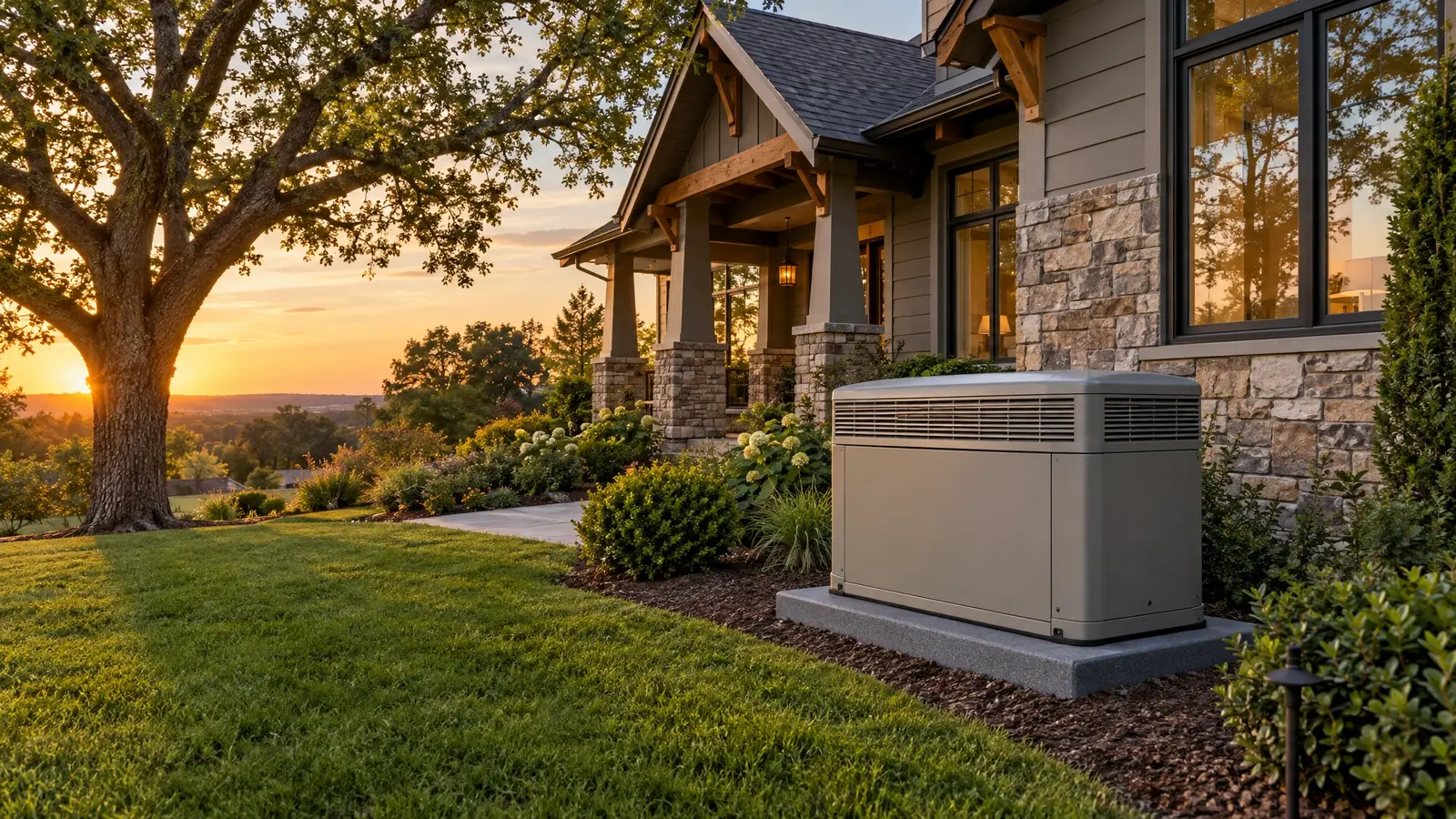 Featured brandHome standby leaderGeneracThe best-known name in home standby power, with a huge service network and sizes from compact to whole-estate.See the brand
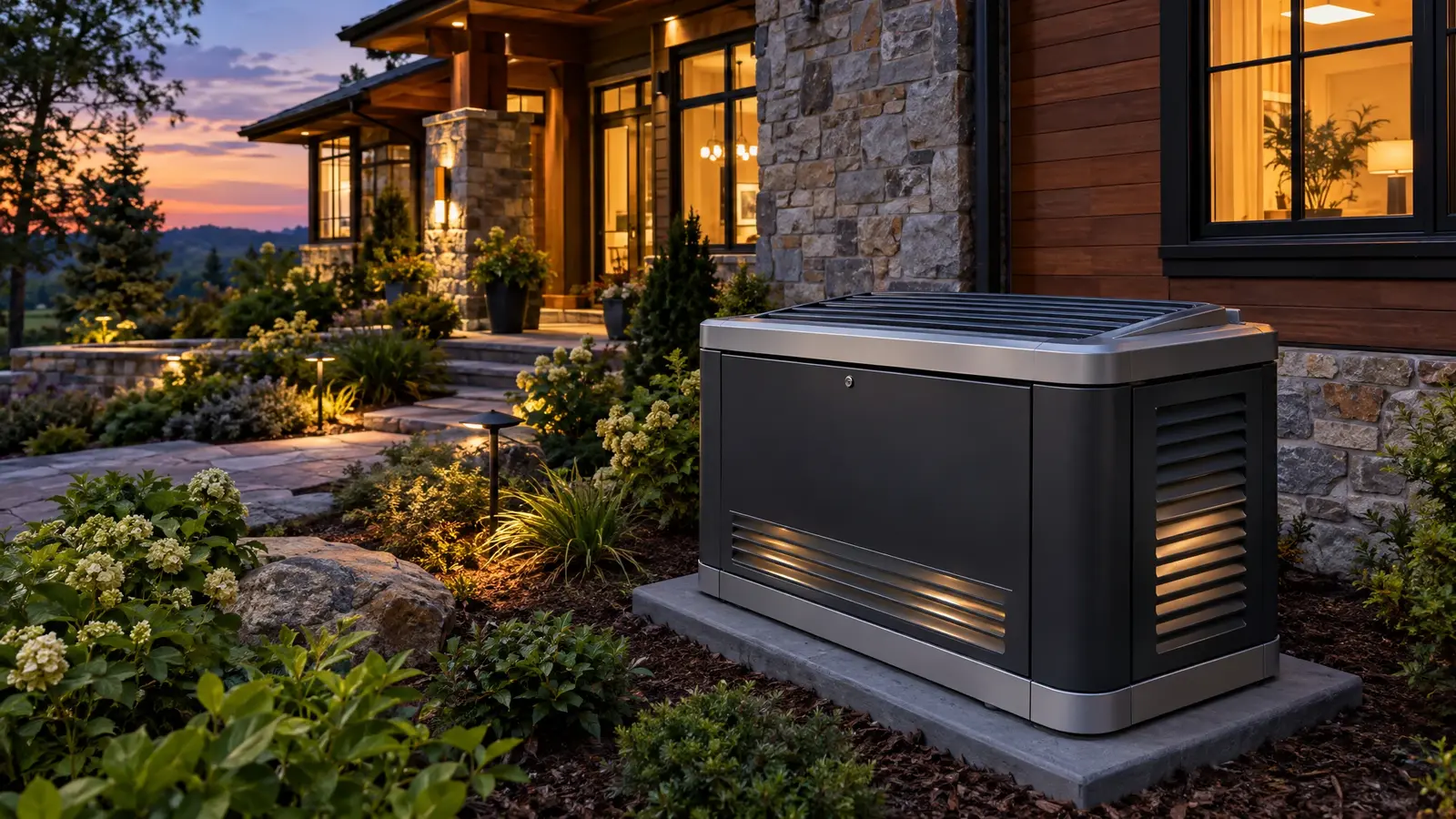 Featured brandQuiet, premium home powerKOHLERKnown for quiet, refined residential performance and engines built to commercial standards.See the brand
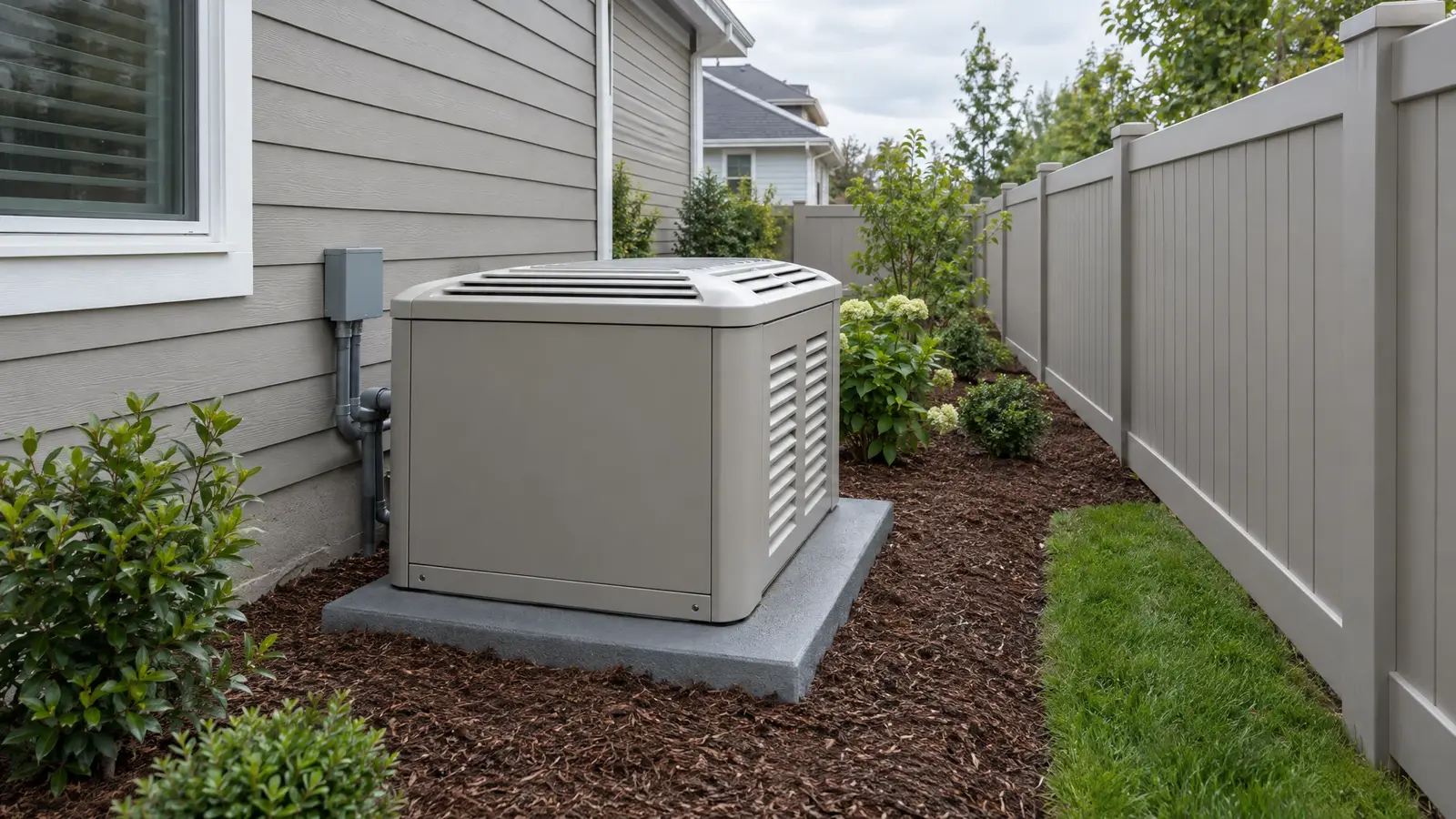 Industrial durability, solid valueCumminsTrusted for industrial durability, dependable commercial operations and solid value, with a quiet compact home line.See the brand
 Budget-friendly, space-savingBriggs & StrattonBudget-friendly, space-saving home standby units and reliable backup for small businesses.See the brand
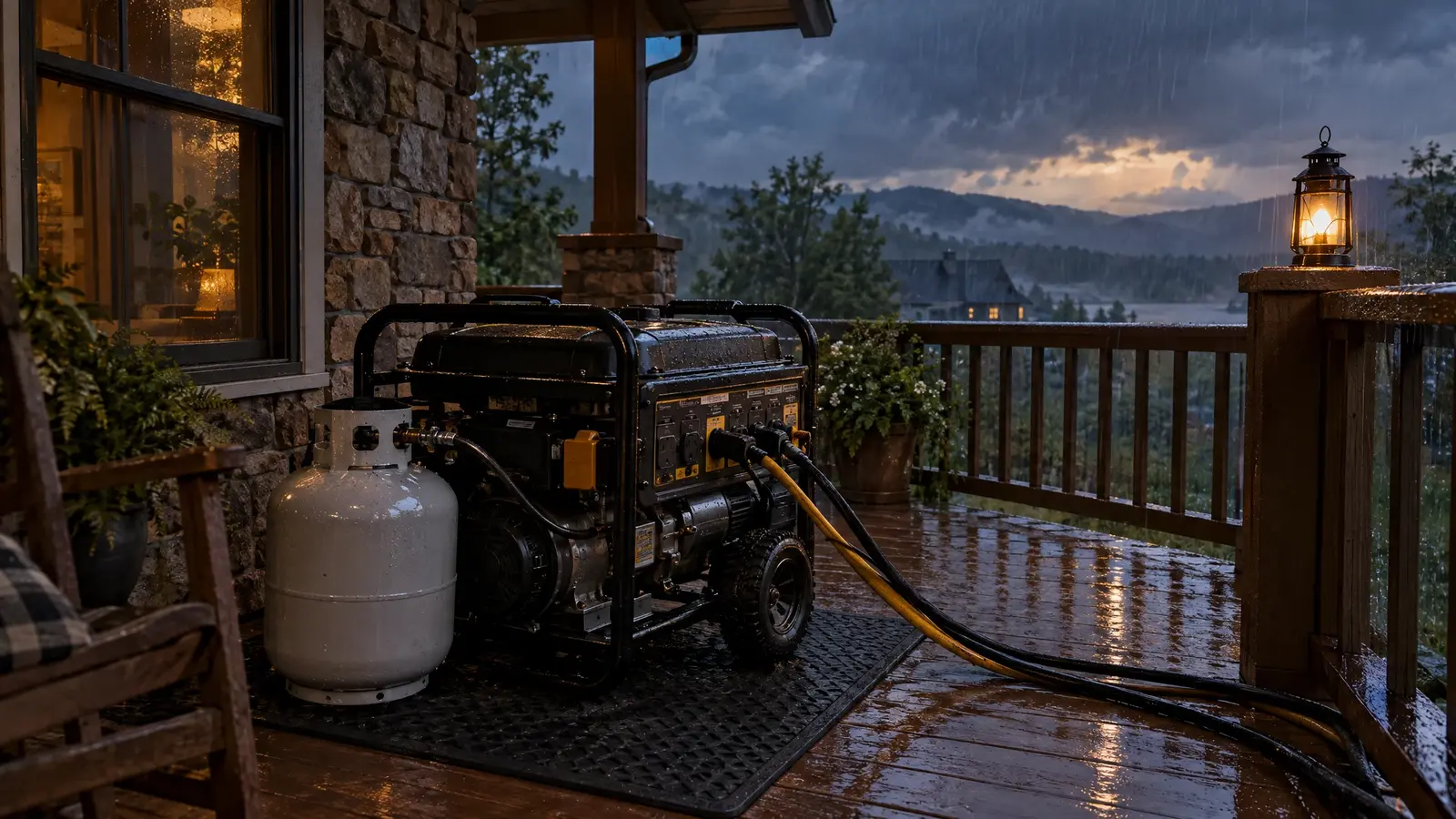 Flexible dual-fuel and standbyChampion Power EquipmentPopular for flexible dual-fuel and tri-fuel portable generators and straightforward standby options.See the brand
We visit, review your panel, meters, yard and goals, and talk through how you use power.
We calculate your real loads and present options for size, brand, fuel and switch with transparent pricing.
We pull permits and coordinate HOA, utility and inspection steps.
We prepare the site, set the pad and run gas or propane and conduit.
The generator is set and anchored, and the transfer switch and electrical are tied in.
We pass inspection, test under load, walk you through it and stay available for service.
Most automatic standby generators start and transfer power within seconds of an outage. Exact timing depends on the unit.
It is louder than a central air conditioner when running at full speed, which is why we choose the location carefully. Most units run a quiet weekly self-test at a lower speed.
Permitting comes first. Once approved, many residential installs take one to a few days of on-site work, depending on gas, pad and electrical details.
In most places, yes. Electrical and gas work for a generator are permitted and inspected. We handle that for you.
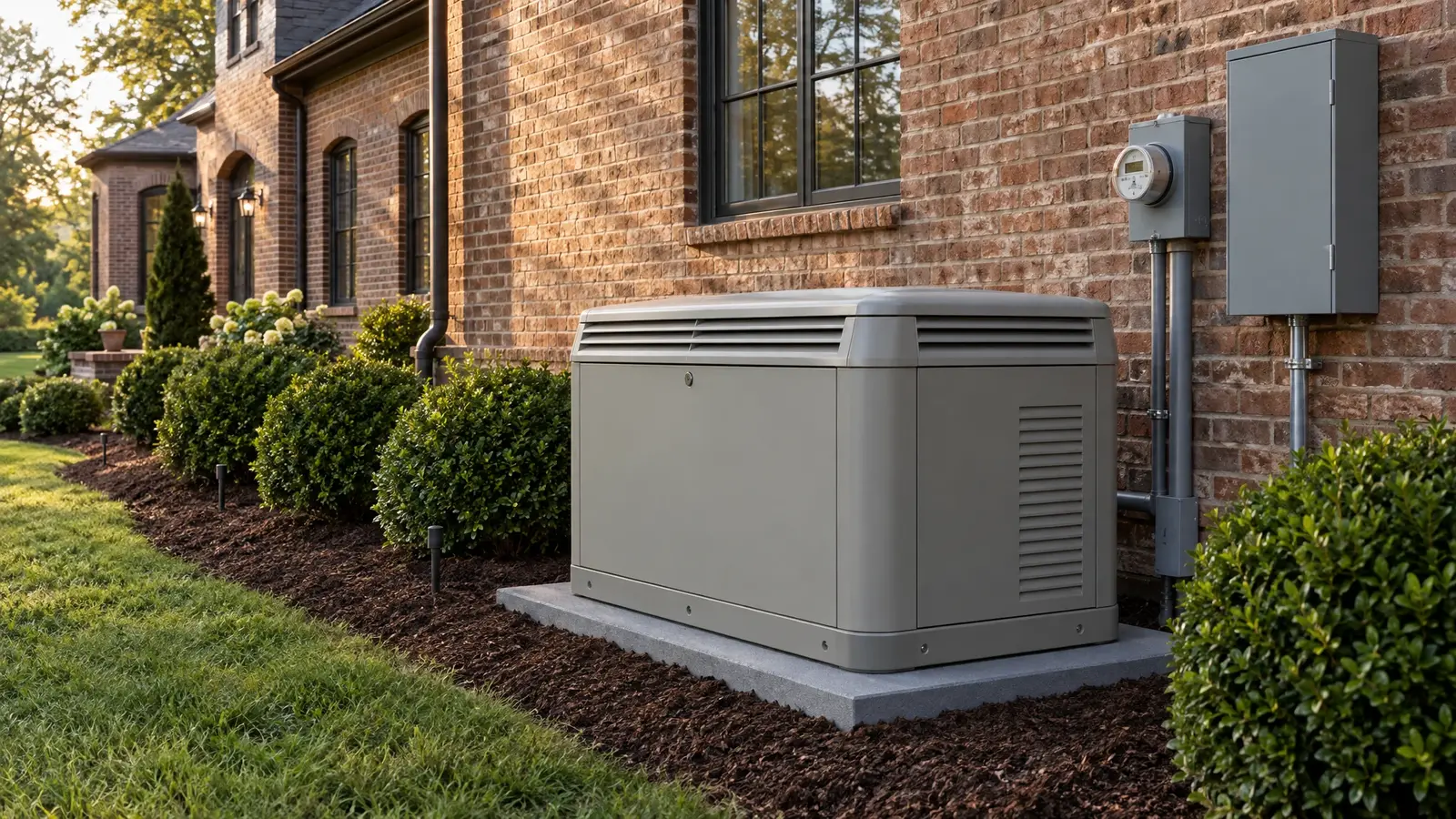 Whole-House GeneratorsEvery room, every appliance, every season: power for the whole home when the grid goes dark.Explore
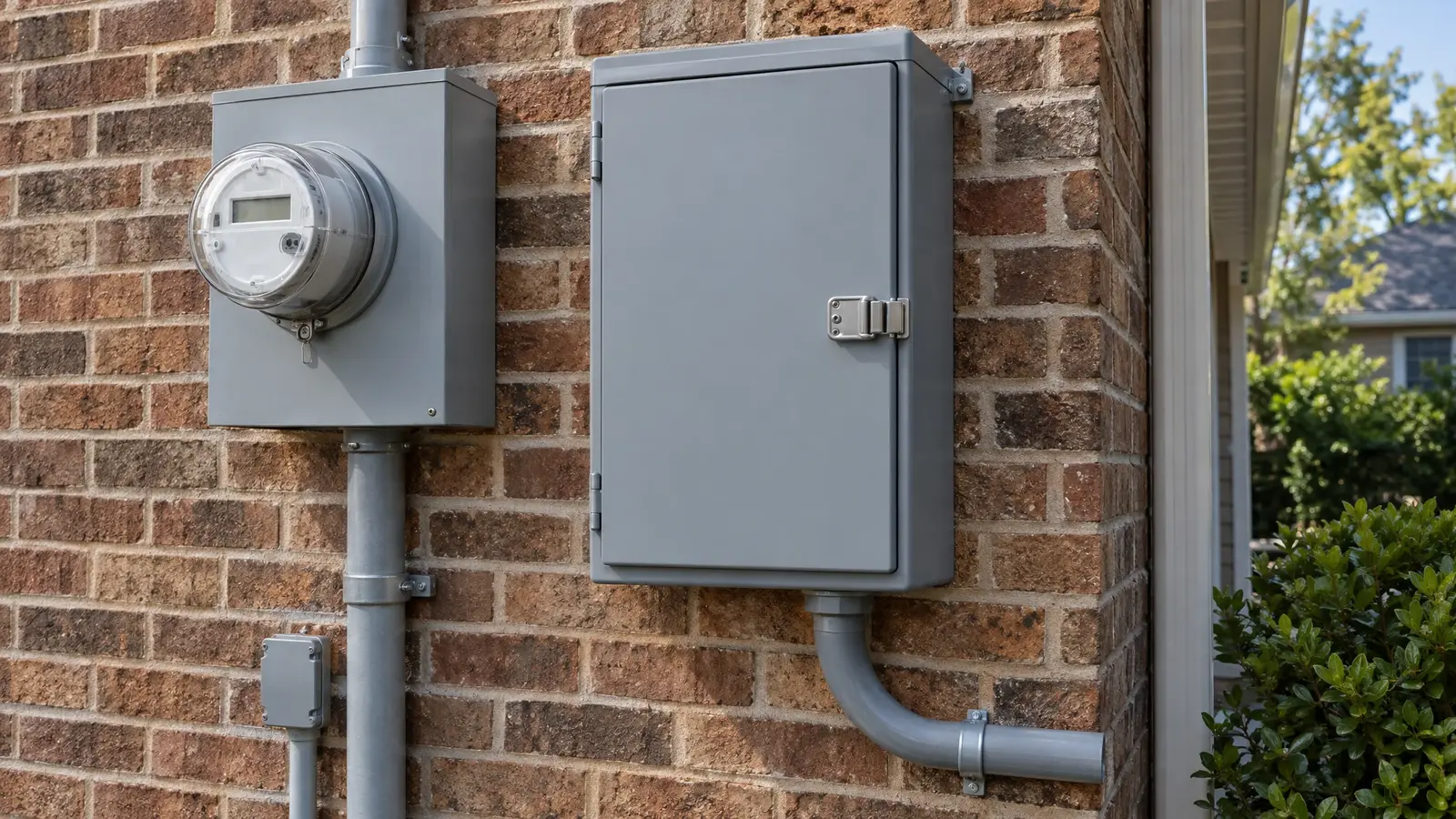 Transfer Switches (ATS)The unseen hero of every standby system: the switch that moves your home from the grid to the…Explore
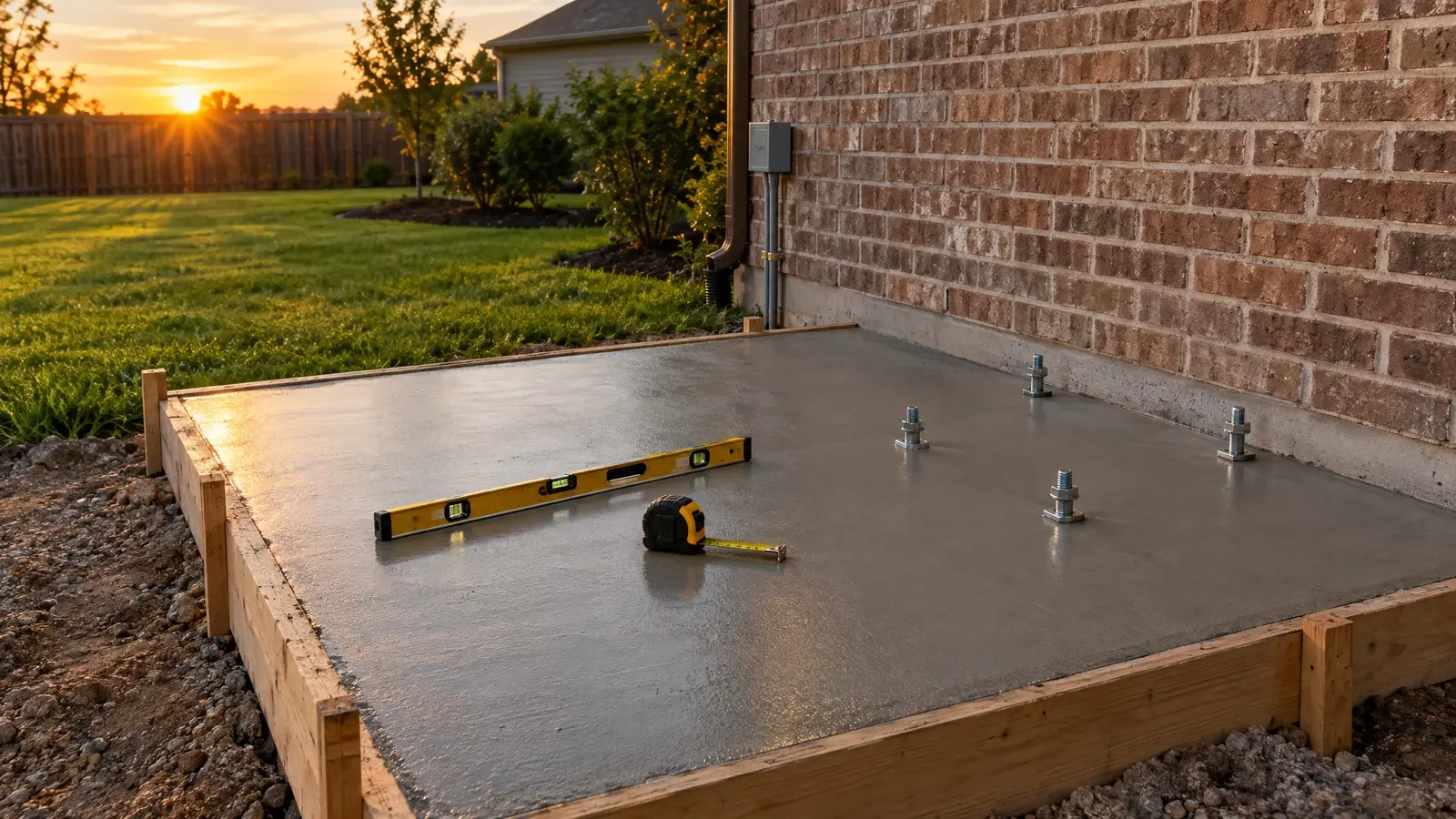 Pads, Permits & Site PrepThe foundation of a good installation: a level pad, correct clearances and every permit handled before the first…Explore
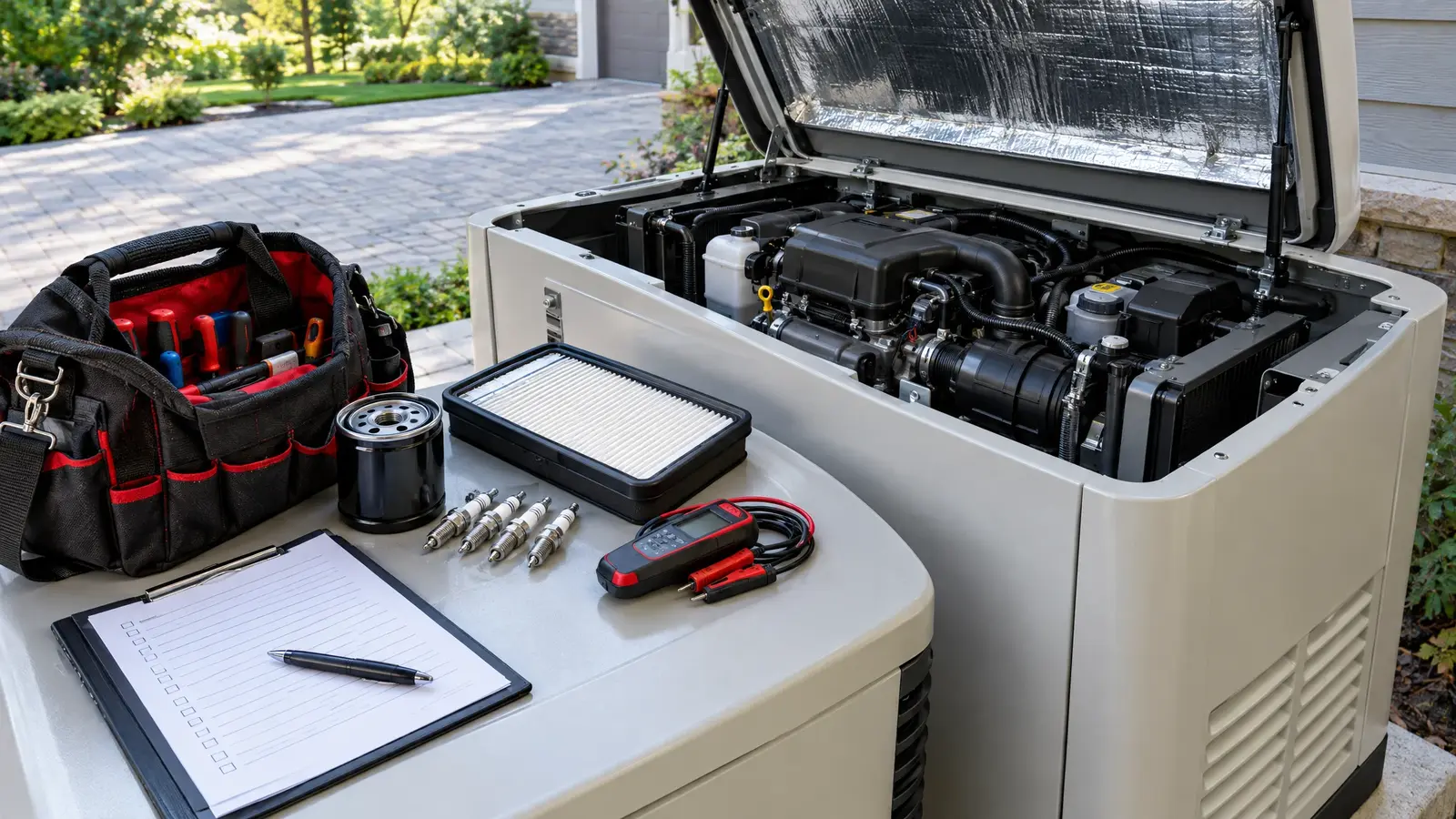 Maintenance Plans & Tune-UpsA generator that has never been serviced is a generator you hope will work. Scheduled care makes it…Explore
Tell us a little about your property and we will be in touch quickly.
Or call (615) 357-7797 to talk now.